Relocation & Life Transitions
What should I know before buying a luxury second home on Cape Cod or the Islands?
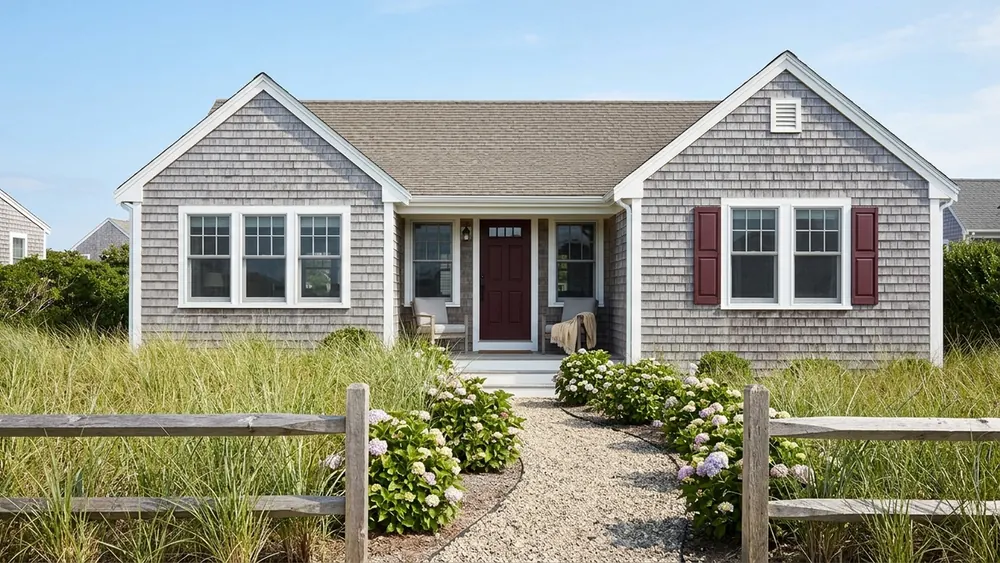
Know how you will use the home, then confirm rental rules, septic and water with the town, coverage and flood questions with an insurance agent, condition with a licensed home inspector and the contract with an attorney.
On this page
- The short answer before a second home purchase
- Start with how you will use it
- Rental rules belong with the town
- Flood, coastal and insurance questions to raise
- Septic, water and other systems to understand
- Who to ask before you commit
- Looking past the finishes on a tour
- What to gather before a first conversation
The short answer before a second home purchase
Before you buy a luxury second home on Cape Cod or the Islands, decide how you plan to use it, then confirm the questions that matter most with the right sources: the town on rental rules, septic and water, an insurance agent on coverage, a licensed home inspector on condition and an attorney on the contract. A second home raises different questions than a primary residence, and many of them are specific to each town.
That matters because a second home is often judged on a short visit, in a good season, with a lot of enthusiasm. The finishes and the setting can carry a showing. What tends to cause surprises later is what you did not ask: how the home is cared for when you are away, how it handles the off season and what the town allows you to do with it.
Lisa Sheehan works with buyers in the luxury second home market, including on Cape Cod and the Islands, through Berkshire Hathaway HomeServices Robert Paul Properties. Luxury here means build quality, design, upkeep and presentation. The questions below help you look past the staging to what the property is and what it would take to keep it the way you want it.
Start with how you will use it
Your plans for the home shape almost every other question. Will it be a place for your own visits only, a home you share with relatives, a property you rent when you are not there, or a home you may eventually live in full time? Each answer changes what you should ask about rental rules, insurance, financing and upkeep, and a lender will ask some version of this question too.
Be honest about how often you expect to be there and who will look after the home in between. A second home on Martha’s Vineyard that sits empty for stretches still needs attention, from checking systems to dealing with weather. Ask how the home is closed up and opened, what a caretaker or property manager might handle and how you would know if something went wrong while you were away.
I want you to buy the house you will actually use, not just the one that showed well on a sunny afternoon. Ask the hard questions before you fall for the view.
Rental rules belong with the town
If renting the home is part of your plan, treat the rules as something to confirm, not assume. Towns can have their own requirements for short term rentals, and associations can add restrictions of their own. Ask the town directly what applies to the specific property, and ask an attorney how those rules interact with your purchase and any rental plans you have in mind.
Do not rely on a listing description, a previous owner’s rental history or a neighbor’s account as the answer. Rules can change, and what was allowed for one owner may not carry over to the next. Get the current answer from the town, in writing if you can, and keep it with your purchase records so you can return to it later.
It is also worth separating hope from plan. A rental income figure someone mentions is not a promise, and you should not build your financing around it without talking to a lender and a tax professional. Ask what costs come with renting, how the tax side works for a second home and what records you would need to keep if you decide to rent.
Flood, coastal and insurance questions to raise
Coastal and waterfront properties can raise questions that homes away from the water rarely do. Ask the town about any flood or coastal designations that apply to the property and what they could mean for future work on it. Ask whether past changes to the home, its decks or its shoreline were permitted, since that history may affect what you can do later.
Talk to an insurance agent early, before you are under contract if possible. Ask what coverage the home would need, whether flood coverage is a separate question and which features of the home affect insurability. The answers can shape how you weigh one property against another, so it helps to have them while you are still choosing rather than after you have committed.
Septic, water and other systems to understand
Many second homes rely on systems that a buyer coming from a city condo may never have owned before. Before you commit, ask about each of the items below, and know which questions belong to the town, which to a licensed home inspector and which to a licensed contractor who works on those systems. Keep the answers together with your other property notes.
- Whether the home uses septic or a sewer connection, and what the town has on record
- The water source, and any testing the town or an inspector would suggest
- Heating, cooling and any systems that need attention when the home sits empty
- Records of past permits, repairs and inspections for the systems you depend on
Septic and water questions in particular are local. Any requirements that apply when a property changes hands are a question for the town and an attorney, not something to assume from a purchase you made somewhere else. A licensed home inspector can describe condition, and the town can tell you what is on file for the property.
Who to ask before you commit
With a second home, the list of outside professionals is often longer than with a primary residence. The table below collects the questions buyers most often need answered, why each one matters and who actually answers it. Use it as a working checklist as you compare properties, whether you are looking in Osterville, Oak Bluffs or elsewhere on Cape Cod and the Islands.
| Question | Why it matters | Who to ask |
|---|---|---|
| Can I rent the home when I am away? | Rules vary and can change | The town and an attorney |
| Is the property in a flood or coastal area? | It can affect future work and coverage | The town and an insurance agent |
| What coverage would the home need? | It shapes your ownership picture | An insurance agent |
| What is the septic and water situation? | Local requirements may apply at a sale | The town and a licensed home inspector |
| What condition are the roof and systems in? | Caring for a home from afar depends on it | A licensed home inspector |
Fill in the answers as you go and keep them with the property records. When two homes look similar on a tour, these answers are often what separates them, and having them written down keeps your decision grounded in facts rather than in how a showing felt. Bring the list to every showing, and add any new questions that come up along the way.
Looking past the finishes on a tour
Luxury homes often show well, which is exactly why a design-minded tour matters. Look at how the layout works for your visits, how rooms connect, where light falls and whether storage and entry spaces fit how you will arrive with guests and gear. Notice the quality of windows, doors and exterior materials, since those face the weather directly. These details decide how a home lives, not just how it photographs.
If you see potential to change something, such as opening a kitchen or adding a room, keep it as a question rather than a plan. Coastal properties can carry their own review steps for changes, and those questions belong to the town planning office, the town building department, an architect and a licensed contractor. The design background Lisa brings helps you read what a space could become, while the right professionals tell you what would be allowed.
What to gather before a first conversation
Before you start touring, write down how you plan to use the home, how often you expect to be there and who will care for it in between. Add your lender’s pre-approval, or the questions you have for a lender about financing a second home, and any rental plans you want to test with the town. A short list of must haves and deal breakers keeps every tour honest.
When you are ready, bring your second home questions to a conversation with Lisa. You can start with how you would use the property, what to ask each town or how to compare homes you have toured, and leave with a clearer list of what to confirm and who to ask. There is no rush to have every answer first.
This article is general information about real estate in Greater Boston and on the North Shore, Massachusetts. It is not legal, tax, lending, engineering, zoning or inspection advice and does not predict prices, returns or energy savings. Confirm costs and structure with licensed contractors and inspectors, permits and zoning with the town planning and building offices, incentives with official state and utility sources, and financing with a lender. Lisa Sheehan, Berkshire Hathaway HomeServices Robert Paul Properties.

Written by