Sellers
How should I market a luxury Greater Boston home over $1 million?
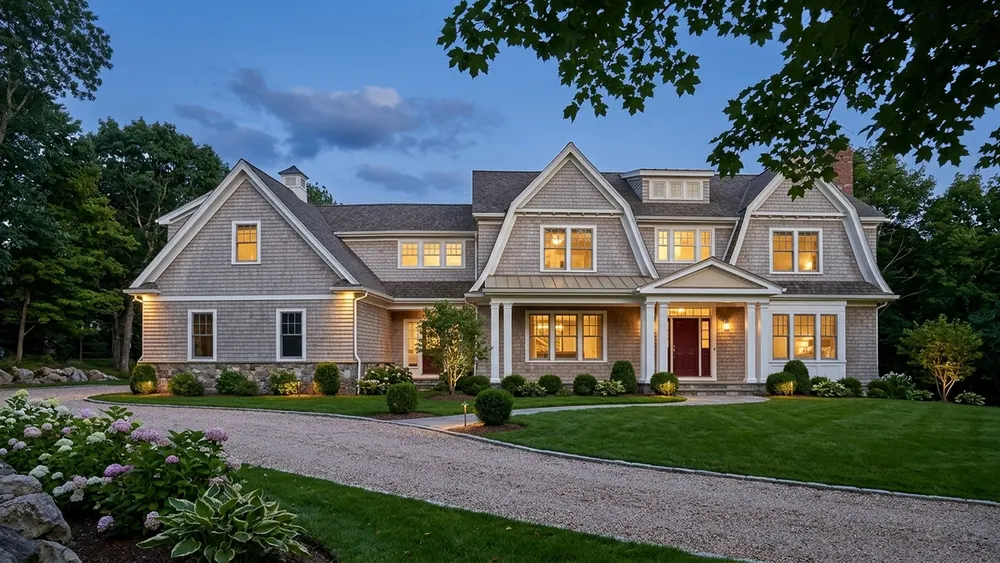
Market a luxury home by leading with what a careful buyer actually inspects: build quality, design decisions and upkeep. Prepare the house, present it with care, document its systems and negotiate patiently, so the presentation and the property tell the same story.
On this page
- Start with what a careful buyer inspects
- Prepare the house before anyone photographs it
- Gather the record that backs up quality
- Present the house with photography and words that match
- Plan showings and privacy with intention
- Negotiate with patience and clear priorities
- What to gather before your first conversation
Start with what a careful buyer inspects
The short answer is that a luxury home sells on proof, not adjectives. Buyers at the higher end of the Greater Boston market tend to look past the finishes and ask how the house was built, how it has been maintained and why each design choice was made. Your marketing works when it answers those questions before they are asked, with photography, documents and a showing experience that all point in the same direction.
That changes where you put your effort. Instead of hunting for bigger words, you spend time on preparation, on gathering the record of what has been done to the house, and on deciding which rooms carry the story. A kitchen renovated with care, a well planned addition or a thoughtful landscape plan matters more when a buyer can see the reasoning behind it and the paperwork that supports it. The same is true of energy upgrades, which carry more weight when a buyer understands what was done and why.
It also matters because higher end buyers are often patient and well advised. Many arrive with an architect, a builder or a licensed home inspector already in mind. If the presentation promises something the house cannot back up, that gap shows up during the inspection or the negotiation, and it can cost you leverage at the moment it matters most. A presentation grounded in the real condition of the home protects you later in the process.
Prepare the house before anyone photographs it
Preparation is where design thinking earns its keep. Walk the house the way a discerning buyer would, room by room, and note what reads as intentional and what reads as deferred. The goal is not a full renovation but removing distractions so the quality of the architecture and the materials comes through clearly, and small, well chosen fixes often do more than a large project finished in a hurry. If you are unsure whether a repair is worth making, ask a licensed contractor what it involves before deciding.
- Repair worn hardware, sticking doors and tired caulk that undercut the sense of careful upkeep
- Edit furniture so each room shows its proportions, light and intended use without crowding
- Ask a licensed contractor about any visible wear before a buyer’s inspector finds it first
- Refresh landscaping and entry details, since a buyer forms an impression before the front door opens
Gather the record that backs up quality
Documentation is part of the marketing at this level. A buyer who can review the history of a house feels more confident about its condition, and that confidence shows up in how they approach an offer. Collect what you have early, and ask your real estate attorney which documents are appropriate to share, and when, before anything goes out to buyers. Even partial records help, because they show a buyer the house has been looked after rather than simply decorated.
- Permits and plans for renovations, additions and major system work, if you have them
- Names of the architect, builder or designer who worked on significant projects in the home
- Service records for heating, cooling, roofing, generators and any specialty systems
- Notes on energy upgrades, with any audit reports you received from an energy auditor
- Warranties and manuals for appliances, windows and finishes that a new owner will need
Present the house with photography and words that match
Professional photography, floor plans and video are expected at this level, but the craft is in the choices. Decide which spaces carry the story of the house, whether that is a light filled Back Bay parlor floor, a renovated kitchen in Wellesley or a garden that took years to establish. Then make sure the images, the description and the showing all emphasize the same strengths, so a buyer recognizes in person what first caught their attention online.
The written description should read like a knowledgeable guide walking a buyer through the house. Name the materials, explain the layout and point out details a buyer might otherwise miss, such as how a room was opened up or why a window placement works. Avoid inflated language. Specific, accurate description signals confidence, and it attracts buyers who value the same things you invested in.
Reach matters too. Higher end buyers may be relocating, buying a second residence or working through advisors, so marketing often extends beyond the local listing. Ask how the listing will be presented to buyers outside Massachusetts, how private showings will be handled, and how the Berkshire Hathaway HomeServices Robert Paul Properties network would be used to reach them. It is fair to ask exactly what that looks like for your home.
Plan showings and privacy with intention
Showings for a luxury home are part of the presentation, not a formality. Think about the order in which a buyer moves through the house, which rooms they see first and where they will pause. Lighting, temperature, music and even the condition of the driveway all contribute. A calm, unhurried showing gives a careful buyer room to notice quality, and it gives you better feedback afterward. Ask for that feedback after each showing, and listen for patterns rather than single comments.
Privacy deserves a plan as well. Some sellers prefer limited public exposure, appointment-only showings or careful handling of personal items and security details. Decide which approach fits your situation before launch, and ask an insurance agent whether anything about vacant periods, valuables or open houses affects your coverage. Making those decisions early keeps the marketing consistent rather than reactive, and it spares you from changing course midway through the listing.
I want the photographs, the documents and the showing to tell the same honest story about your house. When they agree, a careful buyer trusts what they see.
Negotiate with patience and clear priorities
Negotiation at the higher end often turns on details beyond price: timing, inclusions, inspection findings and how the buyer’s advisors read the house. Before offers arrive, write down what matters most to you, which items you would trade and which you would not. That list keeps you steady when a buyer’s architect or inspector raises questions, and it makes each response a decision rather than a reaction. It also helps you recognize a strong offer when it arrives in an unfamiliar shape.
Expect thoughtful buyers to ask hard questions, and treat that as a good sign. A documented answer, a licensed contractor’s assessment or a clear explanation of a past project can keep a conversation moving. Contract terms, contingencies and disclosure questions belong with your real estate attorney, and tax questions about the sale belong with a tax professional. Lisa Sheehan handles the real estate side and helps you read what the buyer is really asking.
What to gather before your first conversation
You do not need a finished plan to start. Begin with a simple list of the projects completed in the house, the professionals who did them and any documents you can find. Add the rooms you think show the home at its strongest and the ones that worry you. Those notes give a first conversation real substance and help you see where preparation would matter most. A rough list is enough, and the gaps in it are useful information too.
Think about timing as well, without locking anything in. Consider when you would ideally move, whether you are buying another home, and how much showing activity you are comfortable with. Questions about financing a next purchase go to a lender, and questions about structure or systems go to a licensed contractor or a licensed home inspector. The real estate plan can then be built around your real constraints instead of an assumed schedule that has to be undone later.
When you are ready, bring your list to Lisa. Whether your home is in Marblehead, Back Bay or elsewhere on the North Shore, the conversation starts the same way: walking through the house, reading its design and condition, and deciding together how to present what it really offers. There is no obligation, just a practical look at what your home could be for its next owner.
This article is general information about real estate in Greater Boston and on the North Shore, Massachusetts. It is not legal, tax, lending, engineering, zoning or inspection advice and does not predict prices, returns or energy savings. Confirm costs and structure with licensed contractors and inspectors, permits and zoning with the town planning and building offices, incentives with official state and utility sources, and financing with a lender. Lisa Sheehan, Berkshire Hathaway HomeServices Robert Paul Properties.

Written by